
University Hospital recertified as Comprehensive Stroke Center
Comprehensive Stroke Center certification represents the highest level of stroke certification, recognizing hospitals with the expertise, technology, and systems required to treat the most complex stroke cases 24 hours a day, seven days a week.
By Michelle Ryan-Day
[email protected]
USA Health University Hospital has been recertified as a Comprehensive Stroke Center (CSC) by DNV Healthcare USA Inc., reaffirming its position as the Gulf Coast region’s leader in advanced, lifesaving stroke care.
Comprehensive Stroke Center certification represents the highest level of stroke certification, recognizing hospitals with the expertise, technology, and systems required to treat the most complex stroke cases 24 hours a day, seven days a week. DNV, an independent, internally recognized healthcare accreditation and certification organization, conducts annual surveys to ensure hospitals consistently meet rigorous national standards for quality, safety, and clinical outcomes.
“Being the Gulf Coast region’s first and longest-standing Comprehensive Stroke Center means our patients and communities receive the fastest and highest-quality stroke care available,” said Emily Dahlmann, DNP, stroke program director for USA Health. “Our team cares for the most complex stroke patients, keeping them at the center of everything we do.”
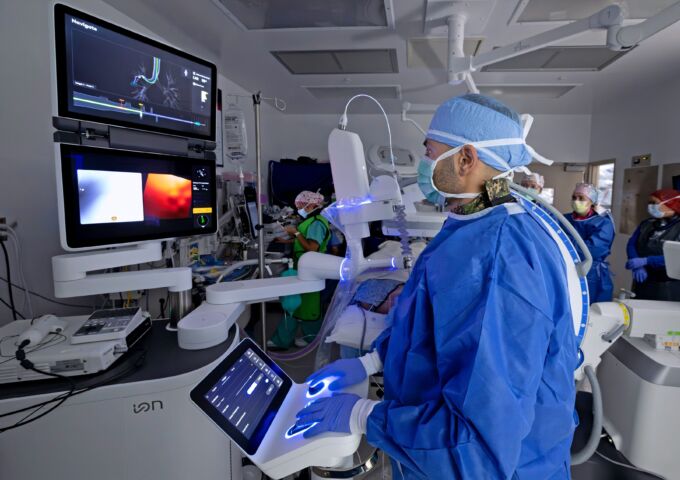
DNV evaluates advanced diagnostic imaging capabilities, neurosurgical and endovascular intervention services, neuro-critical care, specialized stroke teams, research participation, and ongoing quality improvement initiatives. The organization surveys University Hospital every year, rather than every three years, to ensure it continues to provide the best care for patients.
“DNV acknowledged that University Hospital is ahead of the curve when it comes to hemorrhagic stroke care, and many processes we've been doing for years will now be shared across the country as best practices,” Dahlmann said. “Our innovative ways of thinking and enthusiasm for providing the best possible care are helping to shape stroke care, and we set the standard.”
For example, the American Heart Association has emphasized in recent years the importance of treating hemorrhagic strokes with the same urgency and structured response as ischemic strokes — an initiative known as “Code ICH” (intracerebral hemorrhage).
“When I was first asked how we were implementing Code ICH, I hesitated because at University Hospital, we were already managing hemorrhagic stroke patients with many of the aggressive, protocol-driven approaches the American Heart Association was beginning to formally recommend,” Dahlmann said.
The stroke team has fully integrated protocols across every stage of care, from EMS response through hospitalization and discharge, ensuring rapid, evidence-based treatment. Specialized interventions such as mechanical thrombectomy and complex neurosurgical procedures are available around the clock, providing critical access for patients experiencing severe strokes.
As the region’s academic health system, USA Health provides 24/7 access to specialized stroke interventions such as mechanical thrombectomy and complex neurosurgical procedures. This level of care is critical for patients experiencing severe strokes, where minutes can mean the difference between recovery and long-term disability.
Stroke remains one of the leading causes of death and disability in the United States, and timely treatment is essential. Having a Comprehensive Stroke Center in the community ensures that patients across southern Alabama and the central Gulf Coast can receive lifesaving care close to home without the need for transfer to distant facilities.
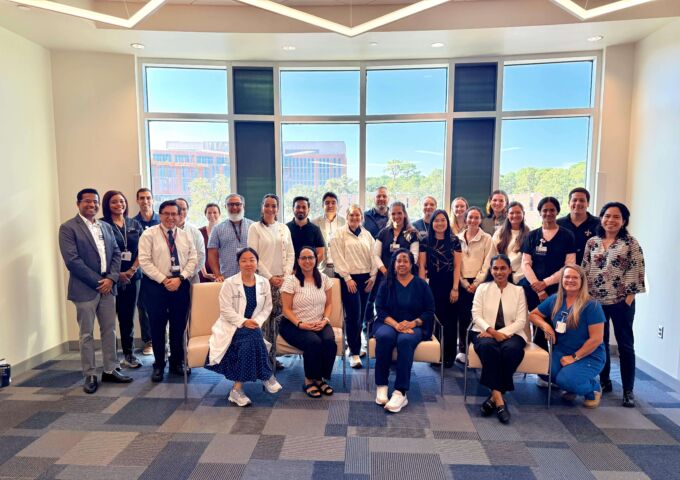
“I am incredibly proud of everyone involved in the care of stroke patients at University Hospital,” Dahlmann said. “If you have a USA Health badge, you are part of the stroke team. There is a passion for treating patients with excellent care at University Hospital, and DNV noted how extremely palpable it was. This extraordinary drive for patient care extends beyond stroke: It is evident in all service lines regardless of diagnosis.”
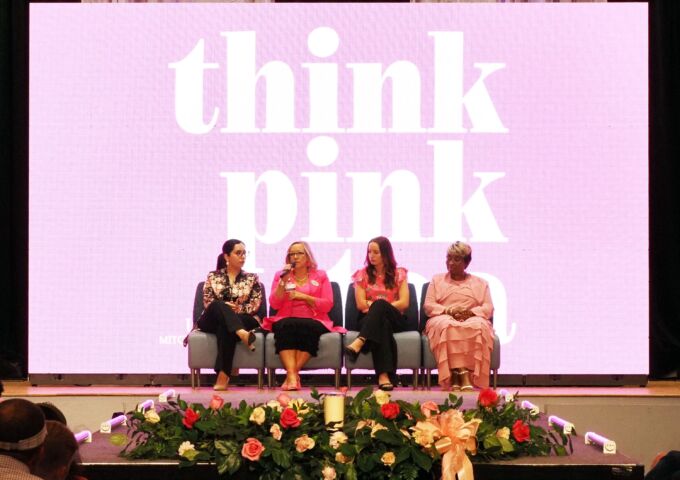
The program's service extends beyond hospital walls. The team remains deeply engaged in community outreach and education. In 2025 alone, the program participated in more than 20 community events, reaching hundreds of people in the community by sharing education on stroke risk factors, prevention, and early identification. The team also recently presented three research posters at the International Stroke Conference, where they shared innovative approaches with healthcare leaders from around the world.