
Skip to content
A male patient has a consultation with a physician.

Vasectomy Reversal

A vasectomy reversal procedure can restore the possibility of conceiving naturally, without needing to rely on IVF or other assisted reproductive technology.

Call 251-660-5930

What are my options for fertility after a prior vasectomy?
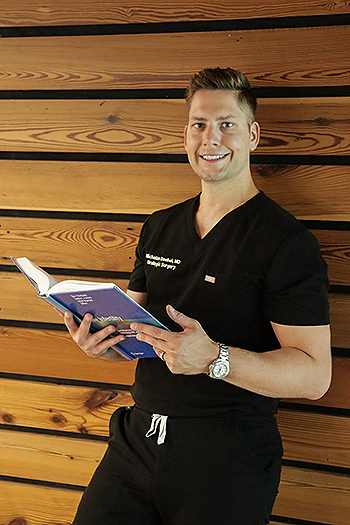
Nicholas A. Deebel, M.D., reads a textbook about vasectomy reversal procedures.

After a vasectomy, men who want to conceive again generally have two options: a microsurgical vasectomy reversal (vasovasostomy or vasoepididymostomy) to restore sperm to the ejaculate, or surgical sperm retrieval paired with in vitro fertilization (IVF/ICSI). A reversal restores the potential for natural conception with a single procedure, while sperm retrieval bypasses the vas deferens entirely and requires coordination with a fertility clinic for each attempted pregnancy. The right choice depends on factors such as how long ago the vasectomy was performed, your partner's age and fertility history, your family-planning goals, and personal preferences. A consultation can help determine which path offers you the best chance of success. Nicholas A. Deebel, M.D., is able to offer both pathways to his patients and their partners. 
What is the goal of a vasectomy reversal procedure?

The goal of a vasectomy reversal is to re-establish the connection in the vas deferens that a vasectomy intentionally severed, allowing sperm to once again travel from the testicles into the ejaculate. When successful, this restores the possibility of conceiving naturally, without needing to rely on IVF or other assisted reproductive technology for future pregnancies.

Why do couples choose a vasectomy reversal?

Couples pursue a reversal for many personal reasons: remarriage or a new partner, a desire to grow their family further, the loss of a child, or simply a change of heart after their circumstances changed. Many also prefer it because a single procedure can restore the chance of natural conception, rather than the repeated cycles, medications, and costs that can come with IVF. For couples hoping for more than one additional child, a successful reversal can also open the possibility of multiple future pregnancies without repeating a fertility procedure each time.

What happens during a vasectomy reversal procedure?

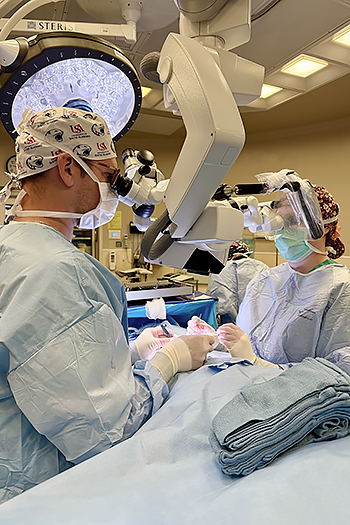
Nicholas A. Deebel, M.D., performs a microsurgery vasectomy reversal.

A vasectomy reversal is performed as an outpatient microsurgical procedure, typically under general anesthesia and completed the same day. Because the vas deferens measures just a few millimeters across, the repair is carried out under a high-powered operating microscope. Once in the operating room, the surgeon inspects the fluid coming from the testicular side of the vas to decide which technique is needed: if sperm or sperm fragments are visible, the two severed ends are joined back together (vasovasostomy); if the fluid points to a secondary blockage further along the reproductive tract, the surgeon instead joins the vas directly to the epididymis (vasoepididymostomy), a more technically demanding repair. The operation generally takes a few hours, and most patients recover at home the same day.

What can I expect during my recovery?

  • Days 1–3: Rest at home with ice and a supportive garment to manage swelling. Most discomfort is well controlled with mild pain medication.
  • About one week: Light, sedentary activity such as desk work can typically resume. Heavy lifting, strenuous exercise, and sexual activity should be avoided for roughly two weeks to protect the new connection.
  • Weeks 3–4: Exercise and normal daily activity can gradually increase, with guidance from your surgeon on returning to more vigorous training.
  • Six weeks and beyond: A first semen analysis checks whether sperm has returned, followed by a second at three months and periodic testing afterward as needed to confirm results.

Why does choosing a fellowship-trained reproductive urologist matter?

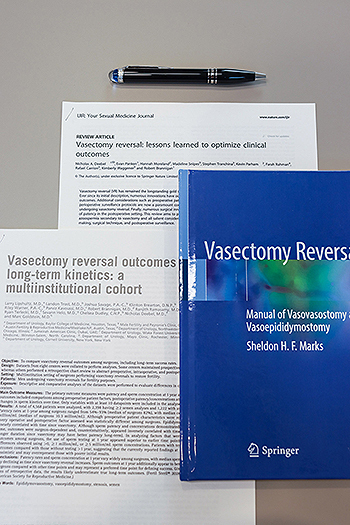
A textbook and articles about vasectomy reversal procedures.

Because the choice between the two reversal techniques is often made in real time in the operating room, the surgeon must be equally skilled at both vasovasostomy and vasoepididymostomy — and the more technically demanding vasoepididymostomy becomes more likely the longer it has been since the original vasectomy. Fellowship training in male reproductive microsurgery provides the concentrated, high-volume experience needed to perform both techniques well, which directly affects how quickly sperm return and how likely a pregnancy becomes. Choosing a surgeon with this specific training — rather than general urologic experience alone — gives patients the best chance of a successful outcome, especially for reversals performed many years after the original procedure. Dr. Deebel has undergone extensive microsurgical fellowship training at Northwestern University under the instruction of internationally renowned experts in the field.

Vasectomy Reversal

Dr. Deebel is a fellowship-trained men's health urologist specializing in andrology, male infertility, reproductive microsurgery, and sexual medicine.

This link will open in a new tab or window.