The research, published recently in the scientific journal Cancer Letters, identifies a new molecular mechanism that explains how gastric cancer cells lose cell-to-cell adhesion and metastasize, or spread to other parts of the body.
Let us help you connect with one of our doctors or other healthcare providers.
USA Health offers an extensive network of physicians and other healthcare providers. The USA Health Physician Enterprise includes our faculty practice – the largest multispecialty group in the region – as well as our affiliated clinics.
At USA Health, we treat people. In doing so, we want to understand your unique needs so our doctors and other providers can design a plan of care specifically for you. Use the field below to search for a specific service, treatment, specialty or provider.
Whether you’re an existing patient or new patient, you can find more information about USA Health services and programs below.
Learn more information about USA Health, from special events and volunteer opportunities to job openings.
Let us help you connect with one of our doctors or other healthcare providers.
USA Health offers an extensive network of physicians and other healthcare providers. The USA Health Physician Enterprise includes our faculty practice – the largest multispecialty group in the region – as well as our affiliated clinics.
At USA Health, we treat people. In doing so, we want to understand your unique needs so our doctors and other providers can design a plan of care specifically for you. Use the field below to search for a specific service, treatment, specialty or provider.
Whether you’re an existing patient or new patient, you can find more information about USA Health services and programs below.
Learn more information about USA Health, from special events and volunteer opportunities to job openings.
USA Health has a comprehensive biomedical research program that spans a wide range of clinical, basic and translational research. At the Mitchell Cancer Institute, our physicians and scientific investigators are searching for breakthrough discoveries to improve the lives of cancer patients.
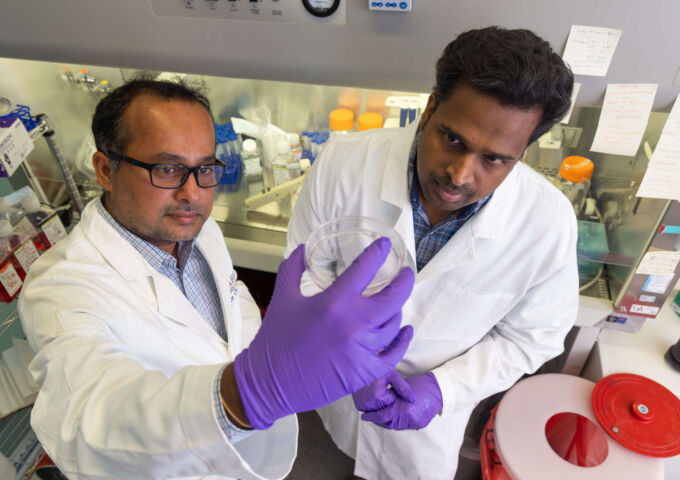
The research, published recently in the scientific journal Cancer Letters, identifies a new molecular mechanism that explains how gastric cancer cells lose cell-to-cell adhesion and metastasize, or spread to other parts of the body.
A breast cancer survivor’s journey to healing.
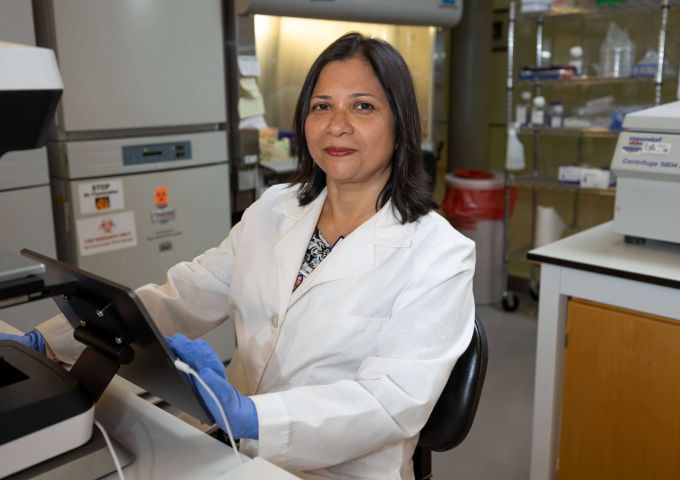
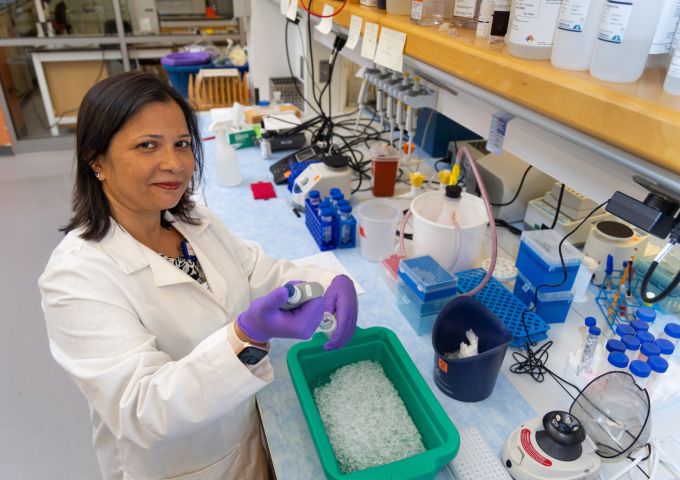
Chandrani Sarkar, Ph.D., a cancer researcher at the Mitchell Cancer Institute and an assistant professor of pathology at the Whiddon College of Medicine, serves as principal investigator of the project.
Chandrani Sarkar, Ph.D., a cancer researcher at the USA Health Mitchell Cancer Institute and an assistant professor of pathology at the Frederick P. Whiddon College of Medicine, has been awarded a two-year, $616,000 Peer-Reviewed Cancer Research Program Idea Award to lead the research.
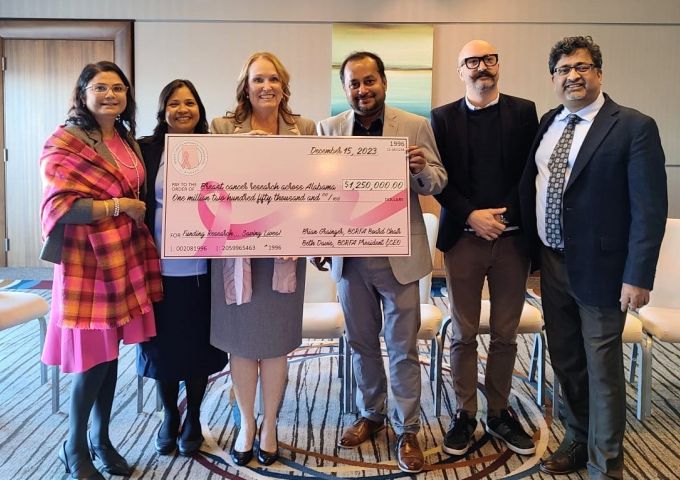
The highly competitive grants provide each investigator $100,000 in funding over a two-year period.