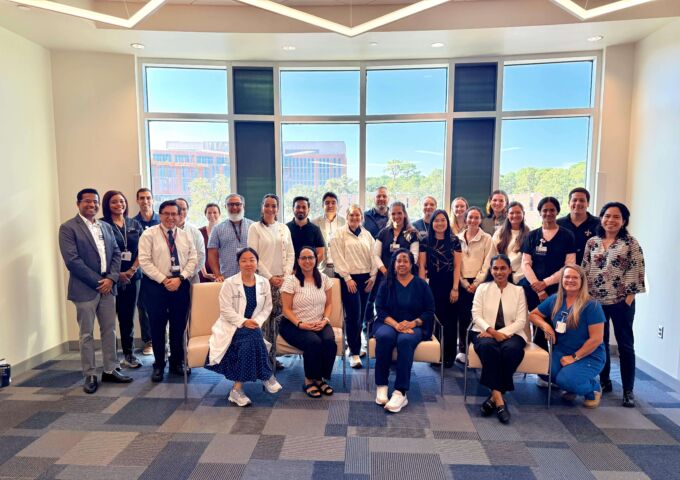
USA Health chairs regional effort to eliminate HPV cancers in the Southeast
The initiative targets low HPV vaccination rates, cervical cancer screening participation, and high HPV-related cancer rates across the Southeast.
By Jessica Jones
[email protected]
The HPV Vaccination Roundtable of the Southeast has released the Southeast U.S. Call to Action: Elimination of HPV Cancers Starting with Cervical Cancer as a Public Health Concern, the first regional plan in the U.S. to tackle HPV cancers. The initiative targets low HPV vaccination rates, cervical cancer screening participation, and high HPV-related cancer rates across the Southeast.
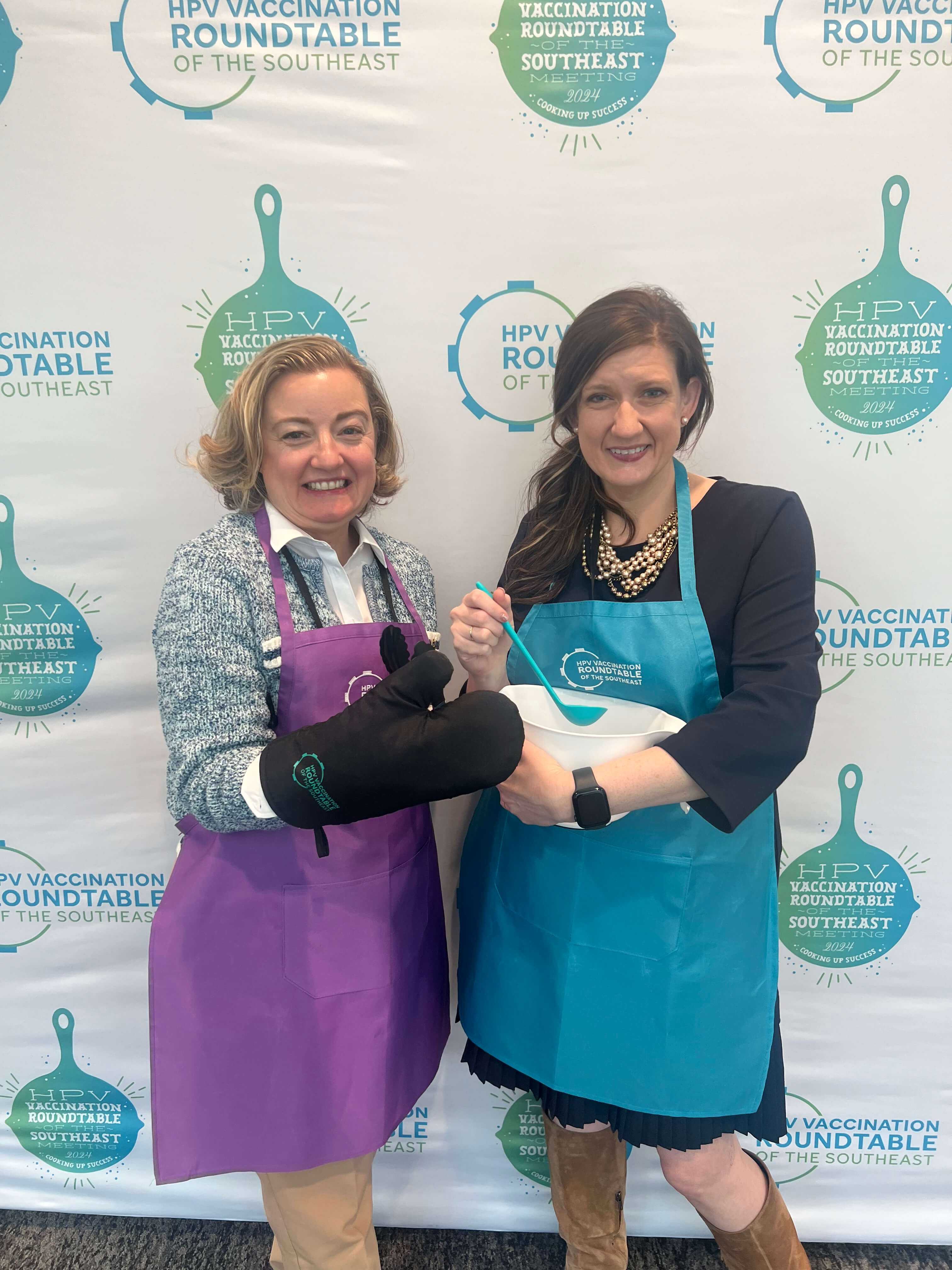
USA Health plays a key leadership role in this effort. Jennifer Y. Pierce, M.D., MPH, FACOG, gynecologic oncologist at USA Health Mitchell Cancer Institute (MCI) and division director of Cancer Control and Prevention, chairs the executive committee, and Casey L. Daniel, Ph.D., MPH, director of epidemiology and public health and associate professor of Family Medicine, serves on the steering committee and co-chaired the elimination committee that wrote the plan. Their leadership has been central to shaping actionable strategies to prevent and treat HPV cancers across the region.
“Everyone is affected by cancer in some way. But we have reached a point where we have the innovative research, prevention resources, and partnerships to bring us closer than ever to making the dream of eliminating HPV cancers a reality,” said Daniel. “This is a call to action and elimination plan for the Southeastern U.S. that guides and supports real-life actions that people across the region can take.”
The plan sets ambitious 2030 goals:
- HPV vaccination: 80% of adolescents (ages 13–17, starting at 9 where data allow) to complete the vaccine series.
- Cervical cancer screening: 80% of people with a cervix to stay up to date on recommended screening.
- Follow-up and treatment: 80% of individuals with abnormal results to receive timely care.
The plan builds on prior efforts such as the World Health Organization’s guidance and Alabama’s Operation Wipe Out. It includes a toolkit of resources — templates, infographics, and guidance — to help states and communities take concrete steps toward elimination.
“This is not just an idea; this is a roadmap for action,” Daniel said. “By raising awareness, engaging people of all backgrounds, providing guidance and strategies, and offering support, we are taking the steps to truly eliminate an entire cancer! The immeasurable impact this would have on saving lives, reducing physical, emotional, and mental burdens, and improving countless other outcomes is invaluable.”
The Call to Action was unveiled during a virtual seminar on Sept. 9, 2025. States, organizations, and individuals can access resources and guidance at stjude.org/southeast-elimination. With this plan, the Southeast is leading the nation in the fight to eliminate HPV cancers, starting with cervical cancer.