USA Health Stroke Program presents best practices at regional stroke symposium
“As the leading stroke center in the Gulf Coast region, we have a duty to share best practices with other stroke centers so they can provide the highest level of care to their patients,” said Emily Dahlmann, CNP, RN, SCRN.
By Michelle Ryan-Day
[email protected]
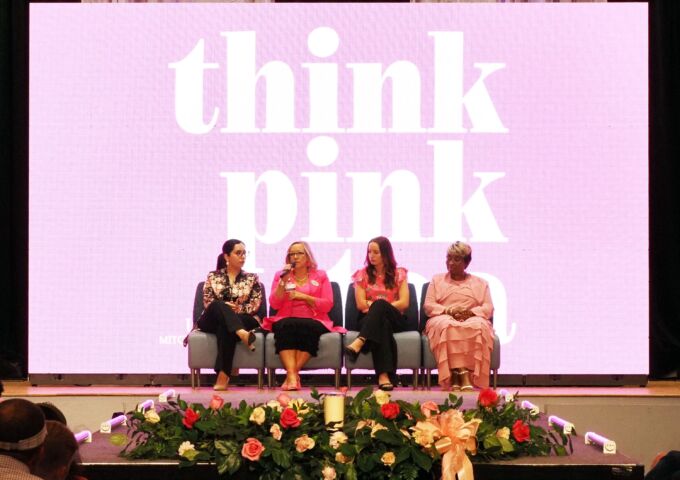
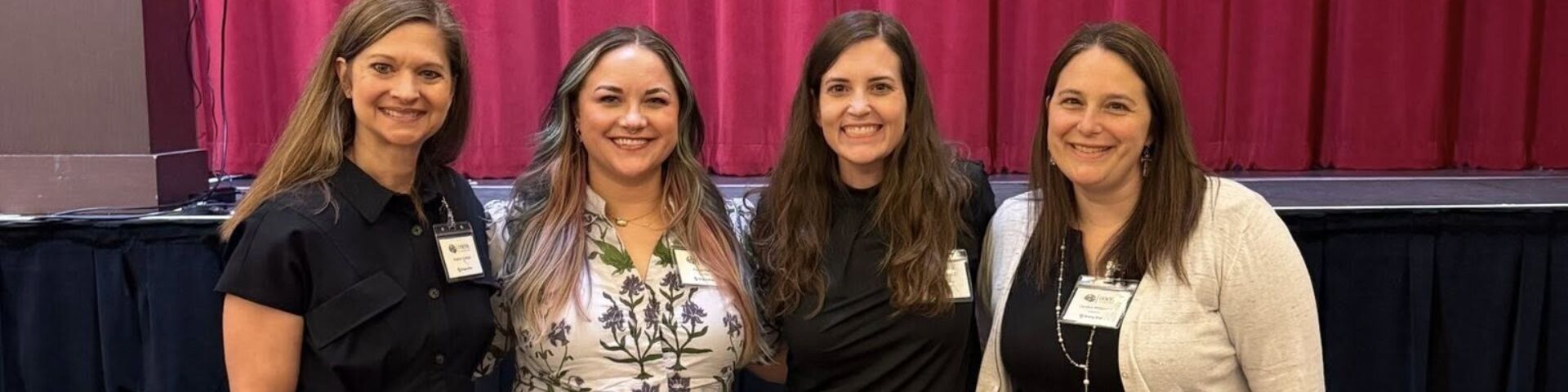
Emily Dahlmann, DNP, RN, SCRN, director of the USA Health Stroke Program, participated in a hypertension management panel at a regional stroke symposium hosted by Singing River Health System, where she discussed USA Health University Hospital’s success in improving titration of vasoactive medications.
Heather Sudduth, coordinator of Neuroscience Services for Singing River Health System, invited Dahlmann to serve on the panel specifically to address best practices in vasoactive medication titration, which is an area of national focus for hospitals undergoing certification and review through Joint Commission and DNV Healthcare USA Inc., which recognizes Comprehensive Stroke Centers, among other designations.
DNV reviews are designed to strengthen clinical quality and improve patient outcomes with internationally recognized stroke care certification for hospitals, validating that they possess the personnel, equipment, and training to diagnose and treat strokes rapidly and effectively.
At the symposium, Dahlmann emphasized that most hospitals require several years to address and resolve medication titration challenges. University Hospital, however, achieved significant improvements within one year through coordinated efforts from a highly dedicated clinical team.
“As the leading stroke center in the Gulf Coast region, we have a duty to share best practices with other stroke centers so they can provide the highest level of care to their patients,” she said.
Dahlmann also addressed common misconceptions surrounding hypertension and stroke risk, noting that many patients underestimate the necessity of blood pressure medications when symptoms are not present.
“Hypertension is known as the ‘silent killer,’” she said, “and its effects can be absolutely devastating in the body.”
High blood pressure remains a leading modifiable risk factor for stroke in the region. Research conducted by the USA Health Stroke Program last year found that hypertension was the No. 1 reported stroke risk factor in the surrounding community.
Held at the Golden Nugget in Biloxi, the annual symposium drew a sell-out crowd of more than 400 attendees and brought together clinicians and leaders focused on advancing stroke care and improving patient outcomes across the Gulf Coast region.