Point-of-care ultrasound training now part of pediatric residency curriculum
Data from the AAP shows that point-of-care ultrasound can expedite clinical decision-making, direct follow-up imaging, and reduce unnecessary testing.
By Casandra Andrews
[email protected]
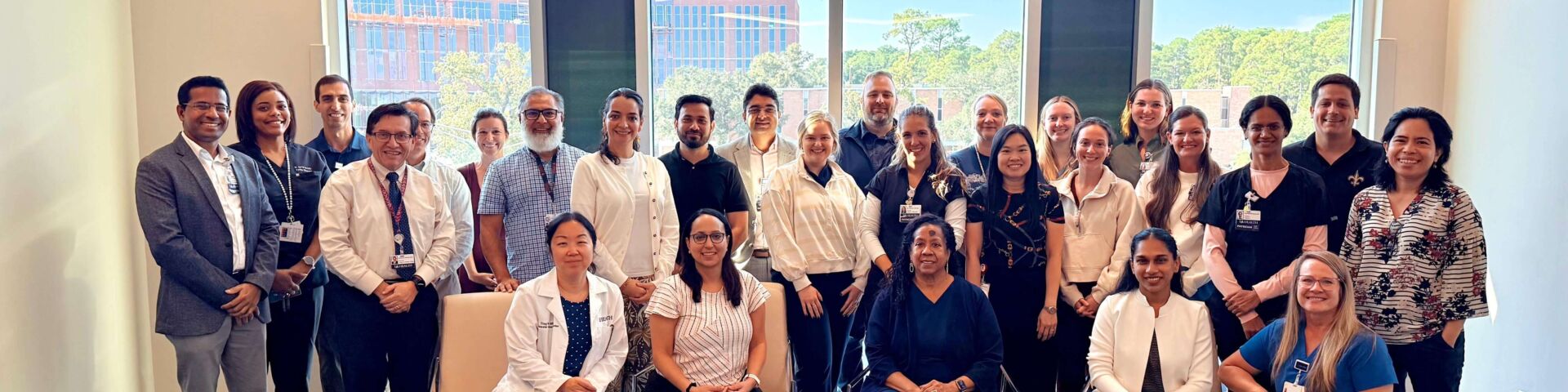
With goals that include improving procedural safety and clinician competency, the Department of Pediatrics at USA Health, part of the academic health system for the University of South Alabama, recently held its second annual pediatric point-of-care ultrasound (POCUS) hands-on workshop at the USA Health Simulation Center.
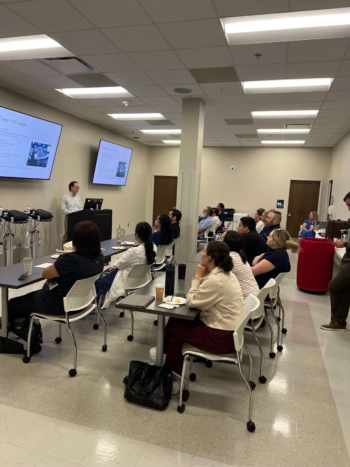
Led locally by USA Health neonatologist Gangajal Kasniya, MBBS, FAAP, POCUS training programs are becoming more common in academic children’s hospitals because research shows they can improve factors including how long it takes to diagnose a health issue, and, in some situations, patient outcomes. The American Academy of Pediatrics (AAP) now recommends structured training, credentialing, and quality assurance programs to support safe implementation of such programs.
Data from the AAP also shows that point-of-care ultrasound can expedite clinical decision-making, direct follow-up imaging, and reduce unnecessary testing. In neonatal intensive care units, timely bedside ultrasound may be lifesaving in emergencies such as cardiac tamponade or pneumothorax.
The workshop, which included faculty trainers and learners from across the health system, provided 6.5 CME credits. The inaugural workshop was held in May 2025. Since then, the pediatrics department has completed the first year of a longitudinal pediatric residency of the POCUS curriculum and has now begun its second year. The curriculum includes six hands-on sessions annually — three during each half of the academic year.
The course covered both foundational knowledge and high-yield procedural applications specifically tailored to pediatric practice, said Kasniya, who is also an assistant professor of pediatrics at the Frederick P. Whiddon College of Medicine.
With expert instructors from radiology, cardiology, emergency medicine, pediatric anesthesia, neonatology, and the Whiddon College of Medicine, participants gained a better understanding of the skills and confidence to integrate POCUS into their daily clinical workflows.