Skip to content
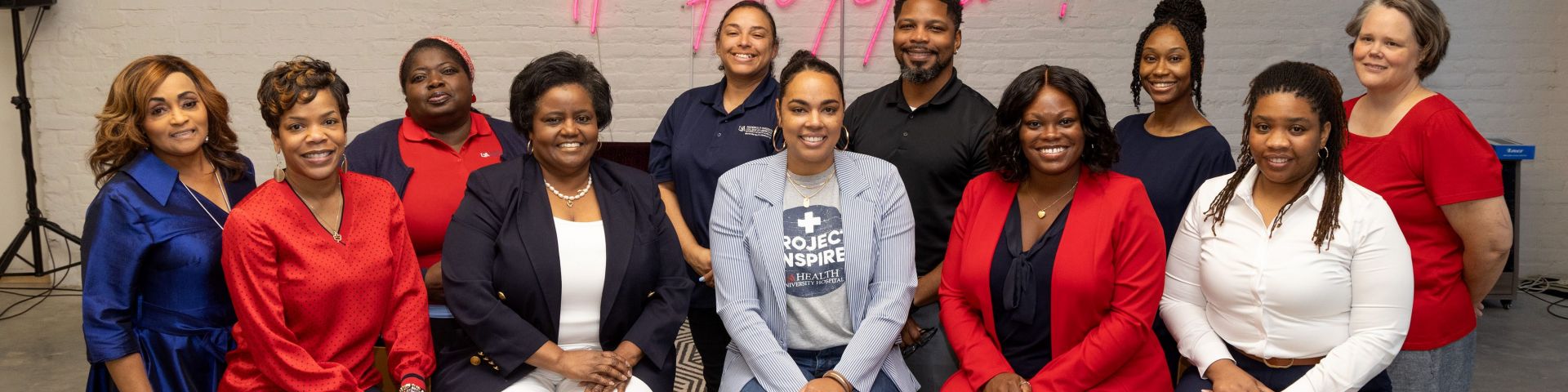
Center for Health Communities team members

USA Health Center for Healthy Communities

About the Center for Healthy Communities

The Center for Healthy Communities represents USA Health's dedication to its community. The Center coordinates community education, research, public service, and health activities to help eliminate health disparities, foster access to healthcare for underserved populations, and enhance the capacity of individuals to better participate in decision-making about their health. Its mission is carried out through collaborative, multi-disciplinary programs designed to help develop healthy sustainable communities.

Read below to learn about the Center's programs.  

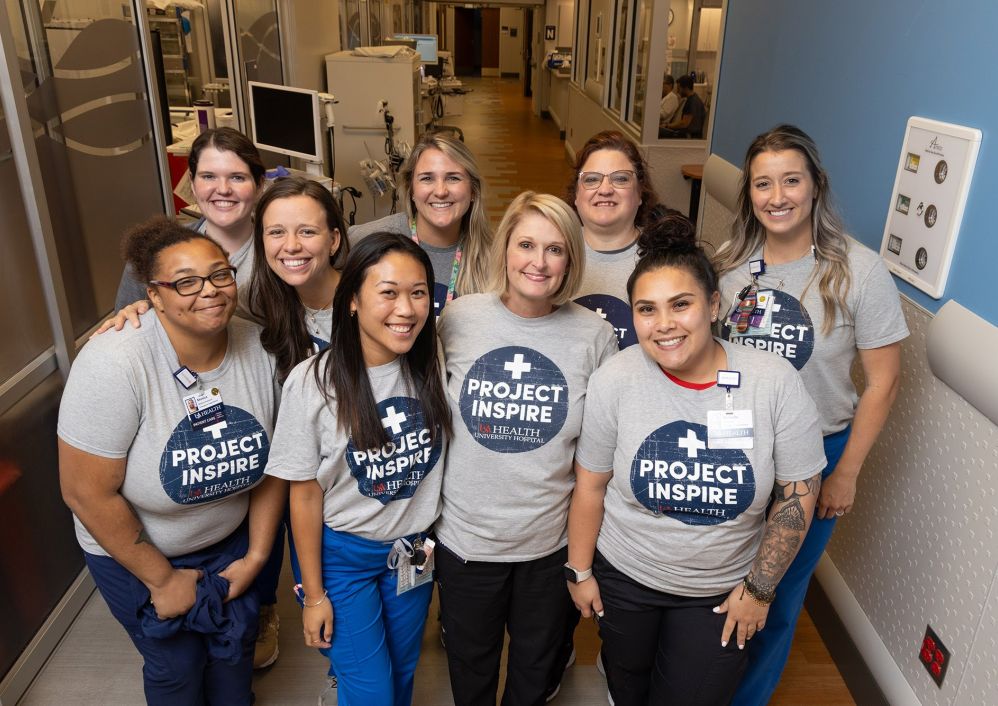
Project Inspire T-Shirts

Project Inspire

Project Inspire is USA Health’s multi-week, hospital-based injury prevention program that combines trauma center exposure, mentorship and career development. Through an ongoing partnership with the Strickland Youth Center, juvenile offenders gain insight into the consequences of gun violence through tours of University Hospital’s Fanny Meisler Trauma Center — taking them from the trauma bay to the morgue. Participants shadow the hospital's staff and complete career planning activities. They also receive training in Basic Life Support and Stop The Bleed, and participate in community service. Project Inspire seeks to help participants become the best version of themselves.

For more information about Project Inspire, contact Daphney Portis.

Visit Project Inspire
Violence Intervention Meeting

Hospital-Based Violence Intervention Program

USA Health University Hospital is the site of Mobile’s first Hospital-Based Violence Intervention Program (HVIP), a new initiative launched by the City of Mobile to prevent violent crime. In partnership with University Hospital and the Mobile County Health Department, the HVIP engages victims of violence during hospital treatment, connecting them and their families to long-term support services. Modeled after national programs, it aims to break cycles of violence and retaliation. Funded by the American Rescue Plan Act and local partners, the two-year program will be led by the Center for Healthy Communities and supported by specialized hospital staff at the region’s only level 1 trauma center.

For more information about the HVIP, contact Joshua Jones.

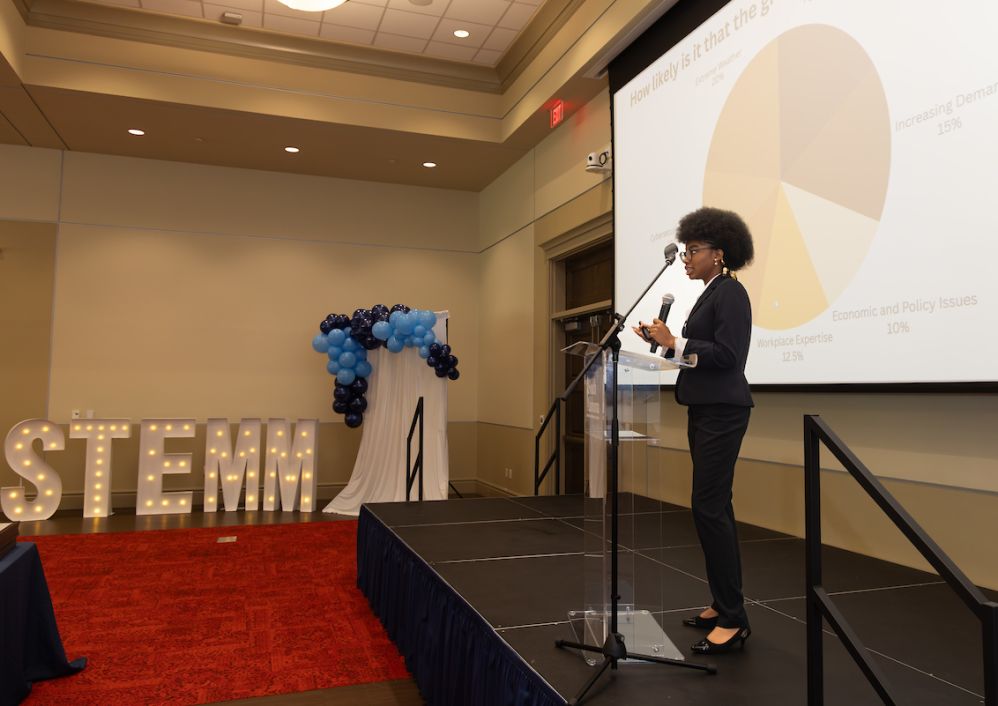
250711 stemm 17

STEMM Scholars Program

The STEMM Scholars for Environmental Justice (SSEJ) Program is a five-week initiative for 11th and 12th graders from Mobile County high schools, the Alabama School of Math and Science, and Accel Academy. Held at the University of South Alabama, the program combines STEMM education with real-world environmental justice issues. Summer cohorts and school-based cohorts, which meet mostly virtually during the academic year with frequent in-person meetings, are offered.

Students participate in classroom sessions, independent learning, field trips, and mentored community research projects. Two students per school will be selected based on leadership and interest in STEMM and the environment. A cash reward is given upon completion, and school liaisons assisting with recruitment also receive an incentive.

For more information about the STEMM Scholars Program, contact Karla McCants.

S.T.A.R.S. and S.T.R.I.P.E.S.

The S.T.A.R.S. and S.T.R.I.P.E.S. Program supports high school students pursuing careers in healthcare. S.T.A.R.S. is a four-week summer enrichment program for rising juniors excelling in science and math, enhancing their academic skills. Successful students progress to the six-week S.T.R.I.P.E.S. internship, which prepares them for college and careers in medical sciences. Focused on Mobile-area high schools, the program helps students with career goals in healthcare, offering tutoring, community service, and health advocacy.

For more information about S.T.A.R.S. and S.T.R.I.P.E.S., contact Karla McCants.

Building Safer Communities Collaborative

The USA Health Building Safer Communities Collaborative is a six-month, public-health–focused prevention program serving justice-impacted youth ages 12 to 18 and their families in Mobile County. Through referrals from the Strickland Youth Detention Center, the Community Health Worker Team provides wraparound support that addresses social determinants of health, connects families to community resources, and ensures follow-up care over a six-month period. The program partners with community stakeholders to deliver trauma-informed care, restorative justice training, and mandatory weekly community-service hours, while also facilitating access to social-healing therapies, mental health services, art therapy, mediation, and spiritual care upon request. Together, these coordinated support efforts aim to improve stability for youth and families, reduce recidivism, and promote long-term violence reduction and improved quality of life.

For more information on the Building Safer Communities Collaborative Program, please contact the BSCC Community Health Worker Team weekdays from 8 a.m. to 5 p.m. at 251-415-8737 or [email protected].

Community Health Workers Program

The University of South Alabama offers a 12-week Community Health Worker (CHW) training program to equip participants with skills to act as a bridge between communities, healthcare systems, and health departments. It includes online and in-person classes, site placements, and community activities. Training covers chronic disease prevention, mental health first aid, and advocacy. CHWs promote community wellness by coordinating care, conducting outreach, providing resources, and advocating for housing, food security, and other needs. Applicants should have a high school diploma, communication skills, problem-solving ability, and a passion for creating positive changes in their community.

For more information about the program, contact Antonette Francis-Shearer.

Research

The USA Health Center for Healthy Communities conducts research that focuses on health disparities, trauma care, and community health interventions, with a strong emphasis on the impact of violence, childhood adversity, and social determinants of health. Key studies include hospital-led initiatives to reduce gun violence among juveniles, the effects of chronic hypertrophic burn scars treated with CO2 lasers, and the association between childhood trauma and PTSD symptoms in injured adults. The work also explores community health initiatives like DNA integrity studies, disaster preparedness, and health education interventions aimed at vulnerable populations. These efforts often employ community-based participatory research to engage local populations and address systemic health inequities.

USA Health Outreach

Community Outreach
Community outreach and free health screenings are crucial for improving public health by providing accessible medical services to underserved populations. These initiatives help identify health issues early, allowing for timely interventions and reducing the risk of serious conditions. Free screenings and resources offer individuals without healthcare access the opportunity to receive vital check-ups, education, and preventive care. Additionally, community outreach fosters trust between healthcare providers and the community, encouraging people to seek care when needed. By addressing health disparities, these efforts promote healthier communities and empower individuals to take control of their health and well-being.  

Medical Townhall
The Center for Healthy Communities partners with local organizations to host public outreach events to discuss community healthcare. Often held at local churches or community centers, these events feature medical updates, an open panel discussion, and small group conversations to address health concerns. The goals of the medical townhalls are to foster relationships, open dialogue, and improve community health. 

Community Garden
A community garden can play a vital role in creating a safe therapeutic space for those who work or live close by. By offering a space for individuals to work together, it strengthens community bonds, promotes wellness, and provides opportunities for learning and growth. This type of garden becomes a catalyst for addressing health disparities, enhancing social support, and creating a sense of belonging, all while promoting environmental sustainability and healthy living. 

For more information about the Center's outreach programs, contact Kimberly Hale.

Can you see it? Click on the "Reveal" button to reveal what we're seeing at USA Health

This link will open in a new tab or window.